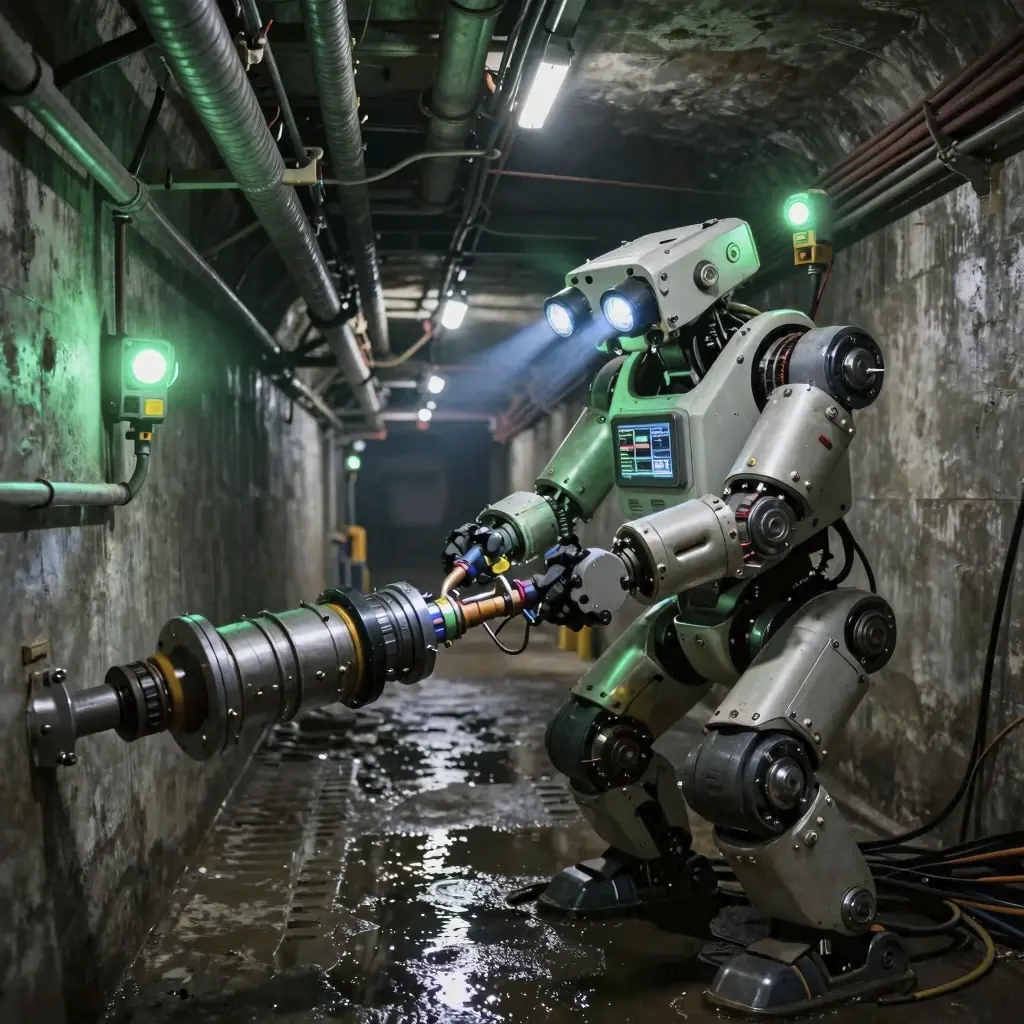
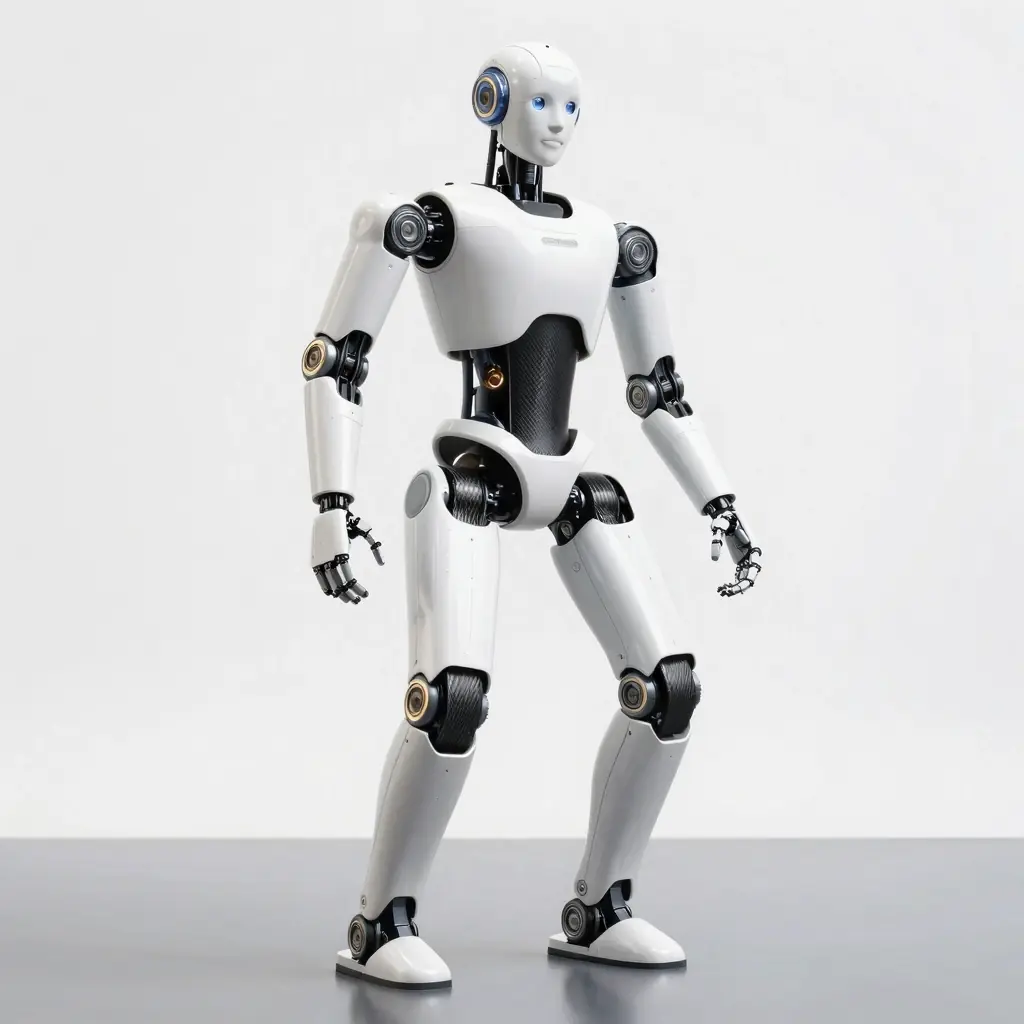
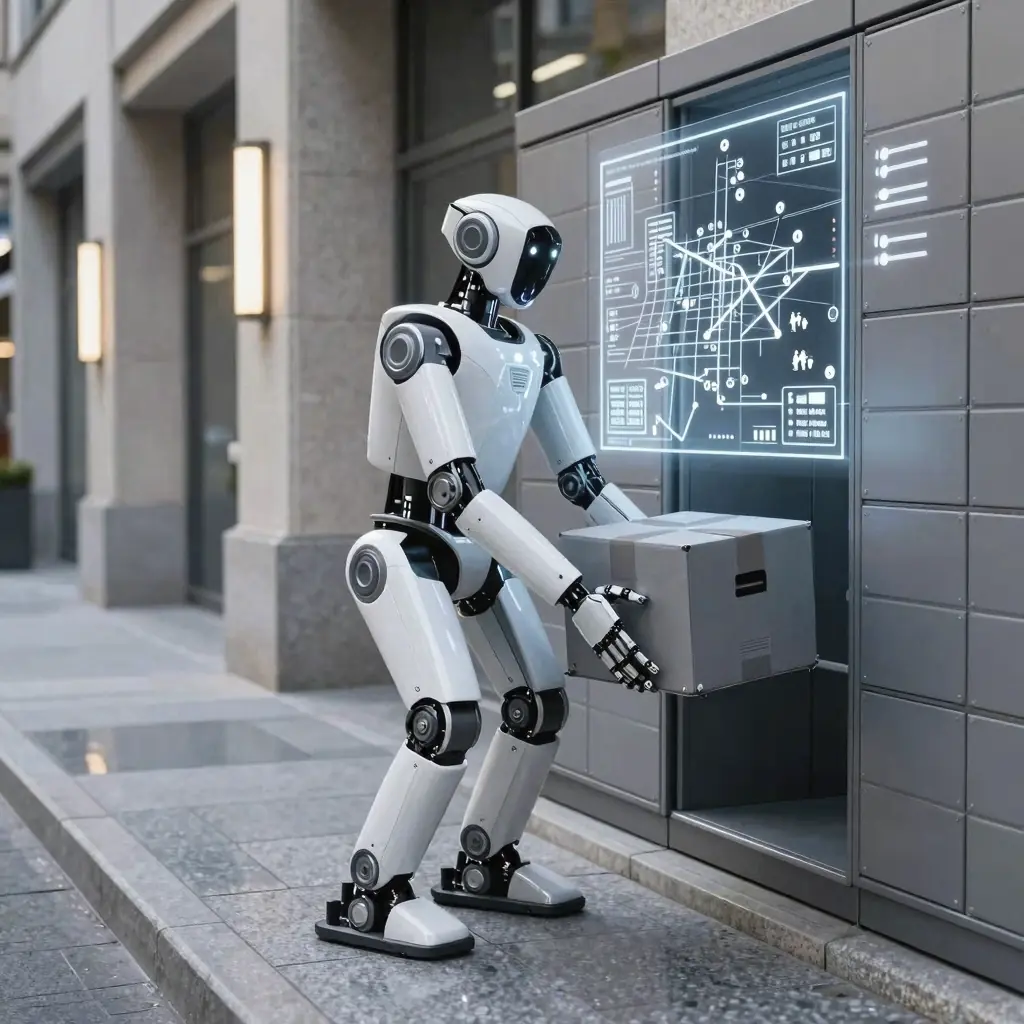
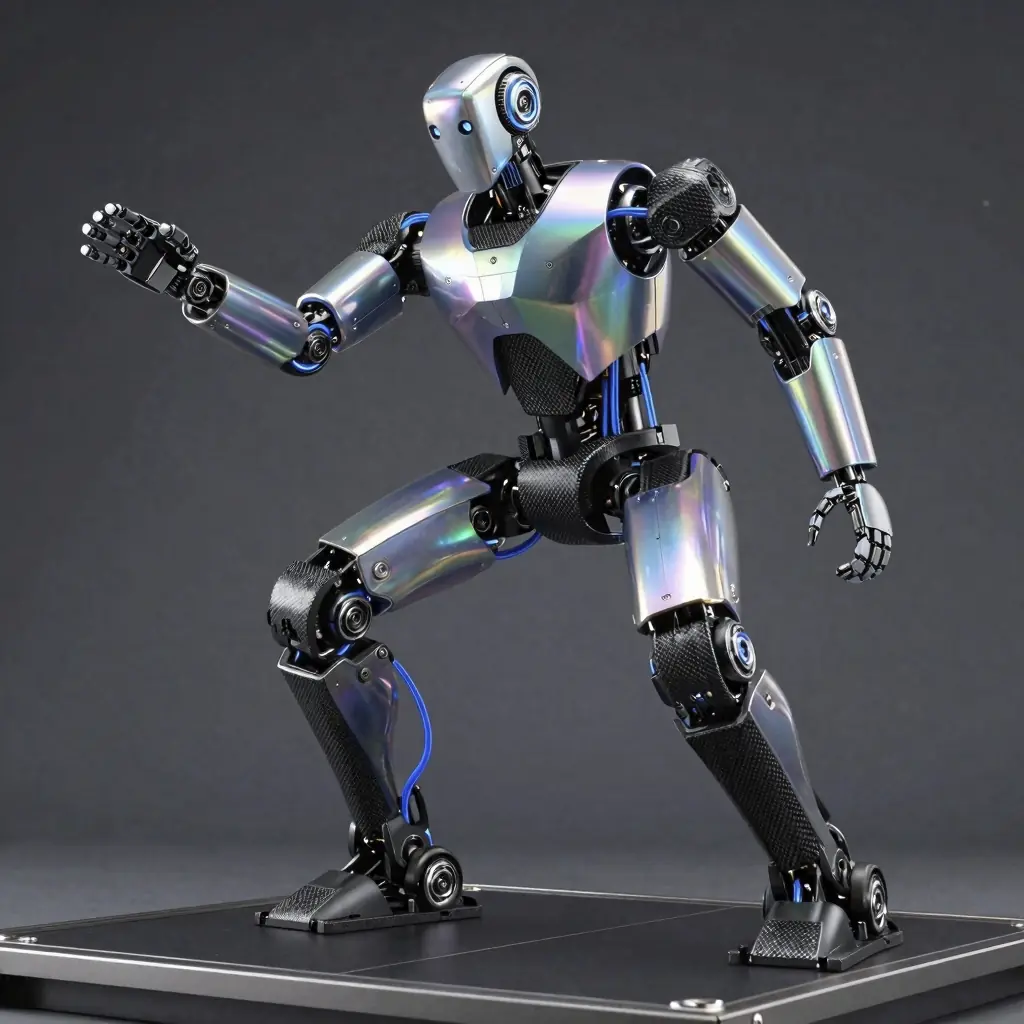
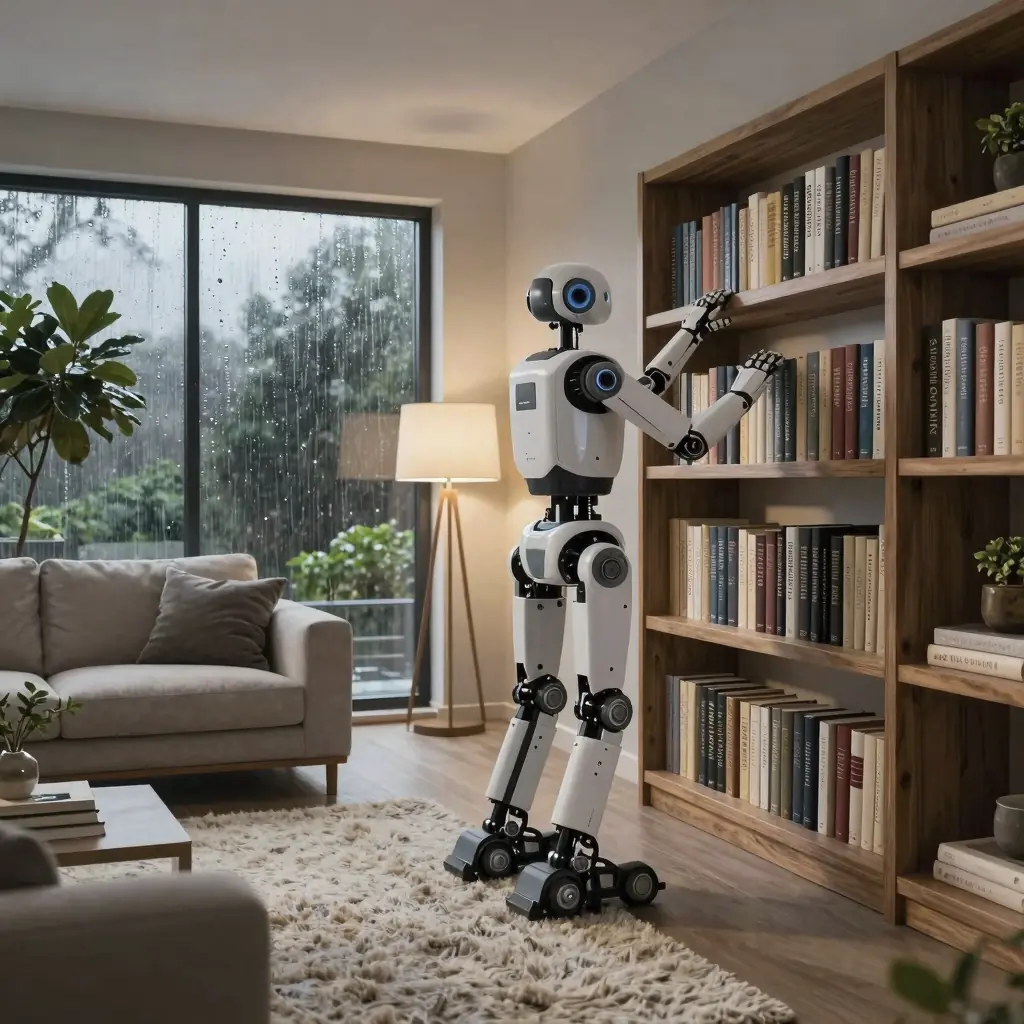
At the intersection of advanced machine learning and precision mechanical engineering, our lab is dedicated to solving the complex challenges of physical intelligence. We specialize in the development of Embodied AI designed explicitly for humanoid robotics—bridging the gap between digital reasoning and real-world execution.
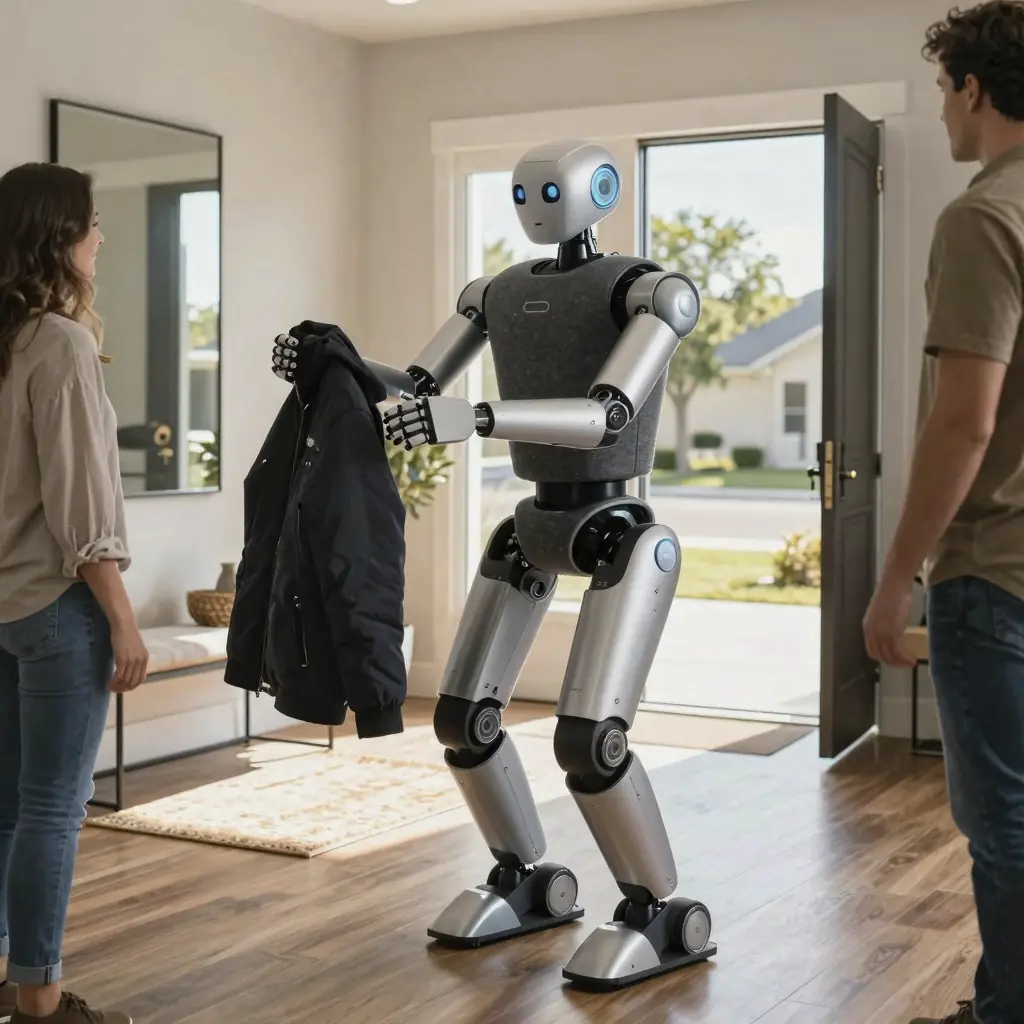
We believe that the next generation of automation will not be confined to fixed tracks or rigid software loops. It will live in adaptable, humanoid forms capable of navigating environments built by humans, for humans. Our lab serves as the incubator for these intelligence models and the physical architectures that support them.
Inside the Lab: Engineering the Future of Embodied AI
The advancements coming out of our lab are driven by a highly specialized team of senior engineers, researchers, and roboticists. Our core team brings decades of collective experience from the world’s leading technology institutions, aerospace divisions, and advanced research facilities.
Advanced Control Systems
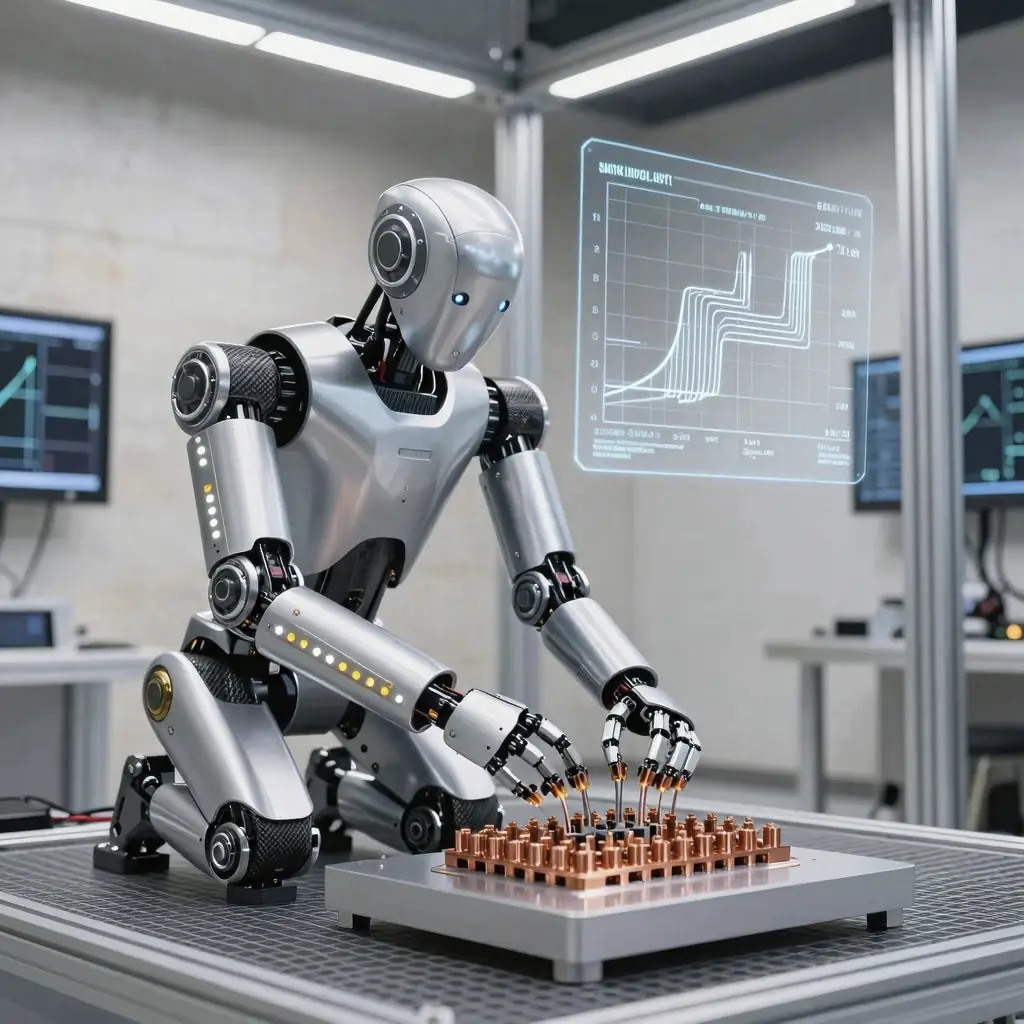
Our senior hardware and control engineers focus on dynamic balance, agile locomotion, and complex manipulation, ensuring physical reliability.
Neural Network Architecture
Our machine learning specialists design the core Embodied AI engines, focusing on simulation-to-reality (Sim2Real) transfer and edge-compute efficiency.
Systems Integration
Our seasoned systems architects ensure that software intelligence and mechanical hardware operate in perfect harmony, prioritizing scalable and maintainable designs.
Pioneering Physical Intelligence
Our work focuses on building the underlying cognitive systems that allow robots to see, reason, and act in diverse environments. Rather than developing isolated software or generic hardware, our lab takes a holistic approach to Embodied AI.
We develop foundation models that integrate multimodal sensory inputs—including vision, force, and spatial data—into fluid, real-world actions. By continually refining how neural networks interact with physical actuators, we aim to deliver humanoid platforms capable of generalizable tasks across a variety of industrial and commercial landscapes.