Societal and Commercial Impact
The Enterprise Productivity Paradox
Overcoming structural operational bottlenecks through autonomous labor.
Operational Strain Mitigation
Modern enterprises face unprecedented labor deficits in high-turnover sectors. By deploying physical intelligence to absorb repetitive, physically demanding, and logistically complex tasks, companies can maintain operational continuity without compromising output or overextending human staff.
Long-Horizon Workflow Efficiency
Unlike isolated automation units, embodied AI operates across long-horizon timelines. This continuous task execution means workflows do not stop at shift changes, driving down operational cycle times and significantly compounding baseline productivity metrics.
Capital Expenditure to Operational Efficiency
Integrating autonomous humanoid fleets transforms traditional, unpredictable labor forecasting into stable, scalable operational expenses. Businesses can scale their physical workforce up or down based on real-time market demand, maximizing capital efficiency.
Error Minimization & Quality Control
By running precise, closed-loop software controls on mechanical hardware, physical errors are radically mitigated. Our platforms deliver standardized execution in variable environments, minimizing product loss, supply chain bottlenecks, and operational re-work.
The Cognitive Upskilling Shift
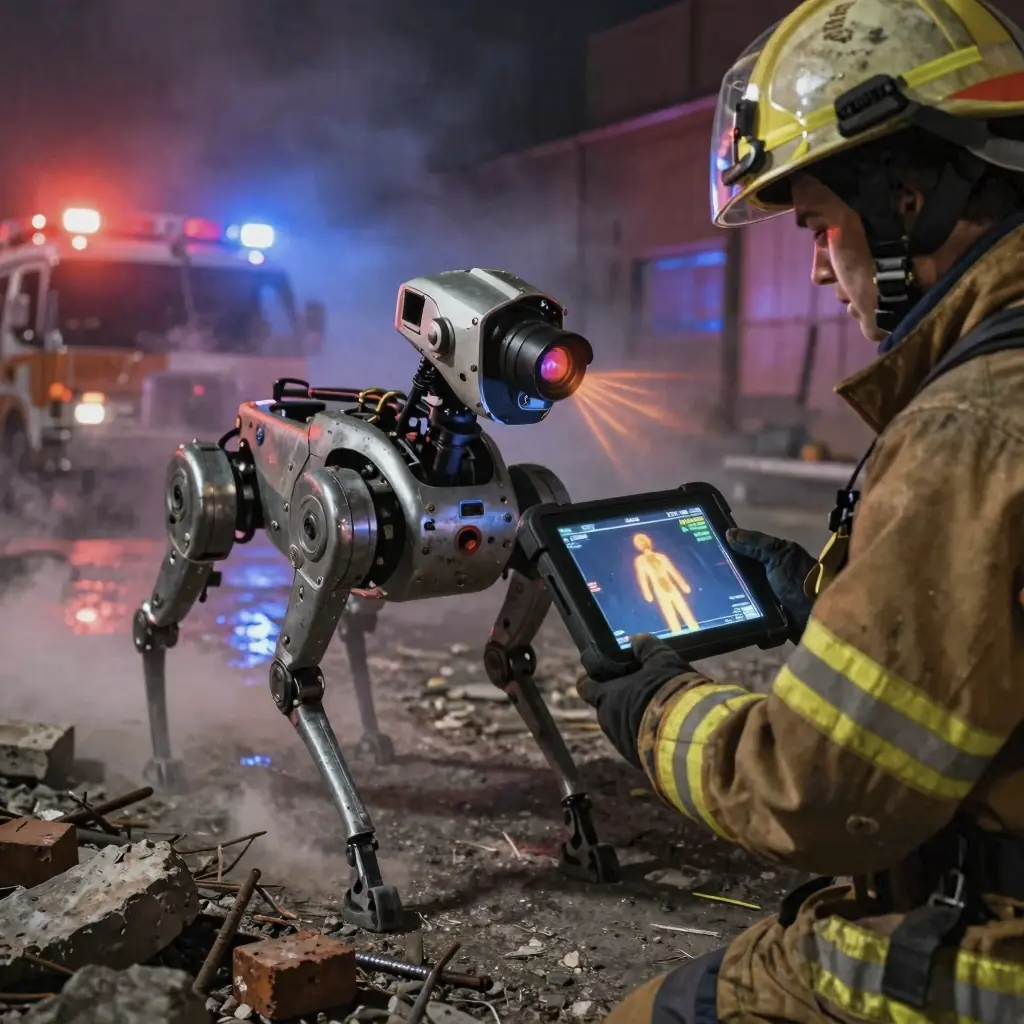
As autonomous systems absorb physical labor, the human workforce transitions into high-value cognitive roles. Workers evolve from manual laborers into fleet managers, process optimization specialists, and strategic supervisors, increasing overall job satisfaction.
Human-Robot Collaborative Safety Frameworks
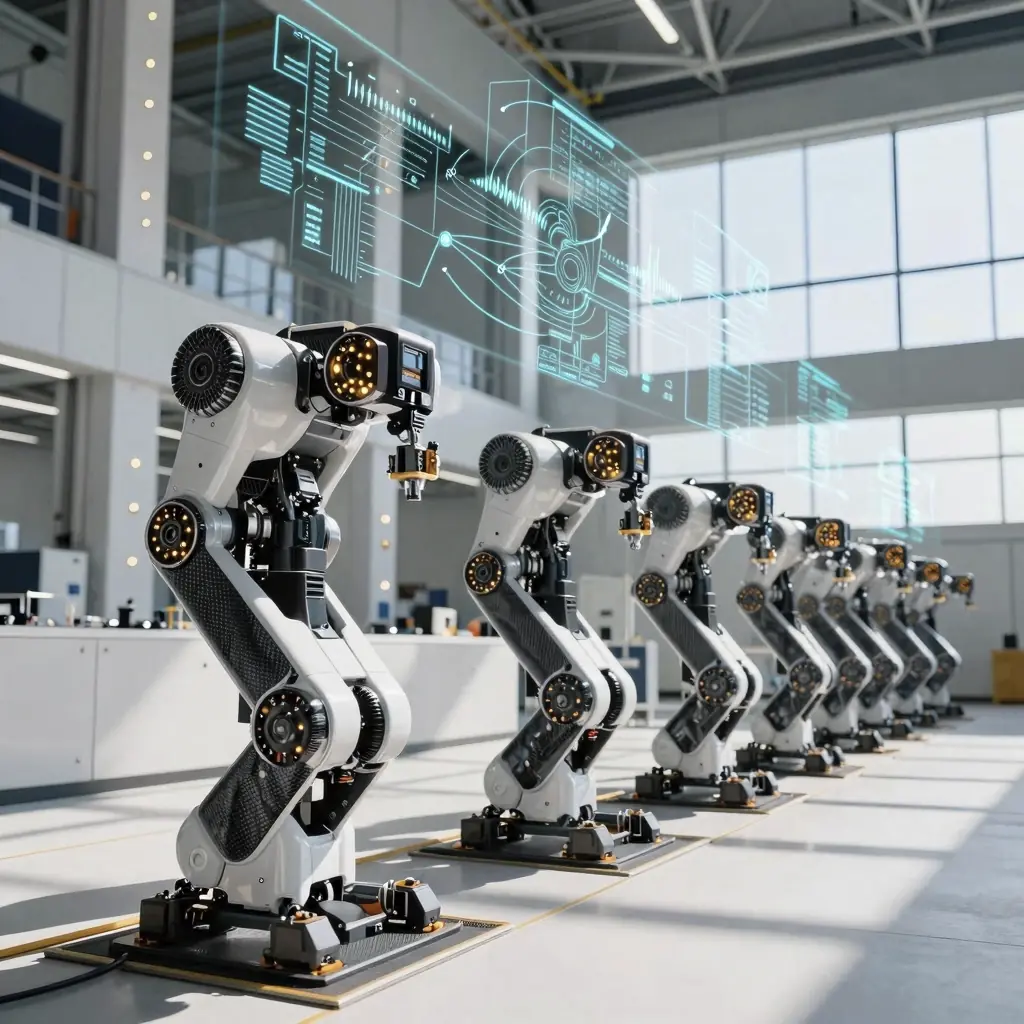
Our systems are engineered with advanced force-feedback sensors and predictive computer vision. This allows them to work directly alongside human teams safely, slowing down, stopping, or altering their paths to ensure human physical safety is never compromised.

Workplace Evolution & Human Safety
Elevating the human workforce by offloading hazardous environments
High-Risk Environmental Mitigation
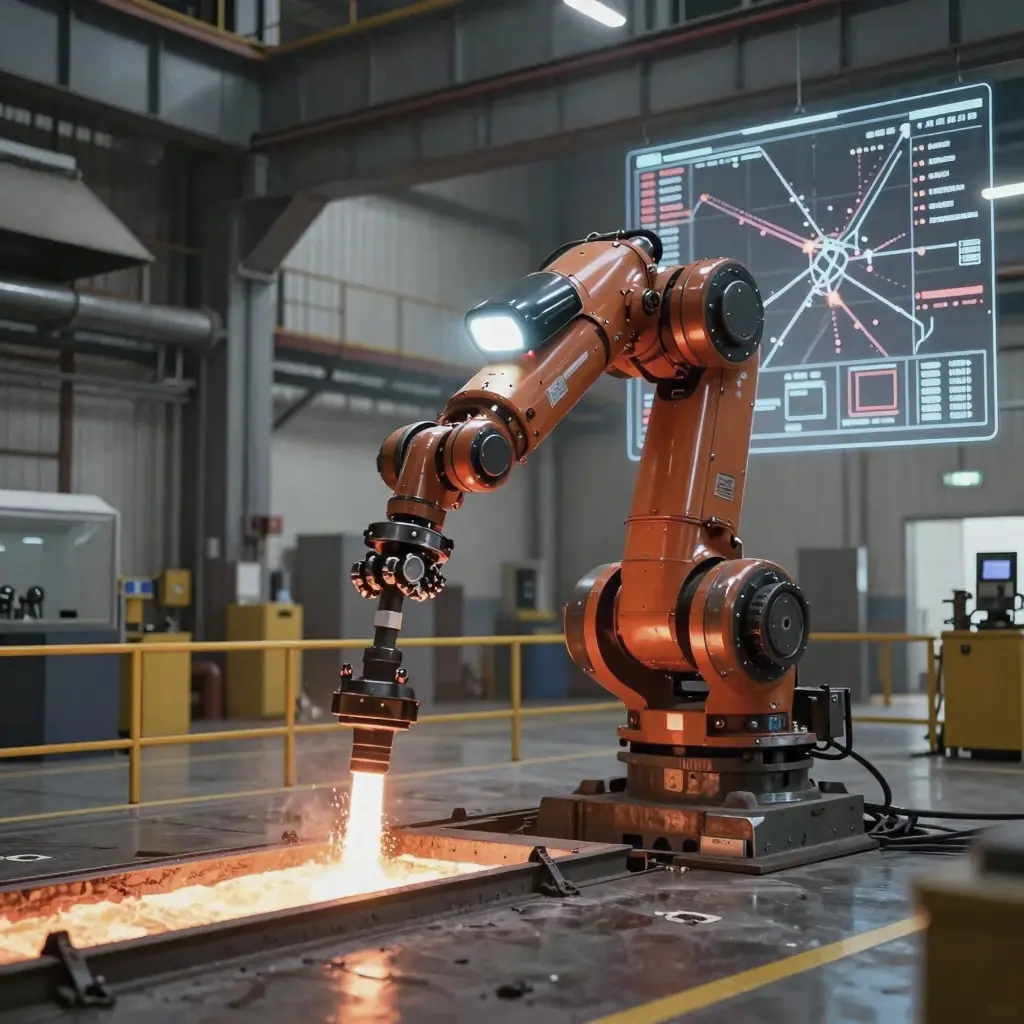
Human workers should not have to compromise their physical well-being for operational output. Embodied platforms are strategically deployed into extreme temperatures, toxic chemical environments, high-voltage zones, and structurally unstable areas to handle high-risk tasks.
Eradication of Repetitive Strain Injuries
Chronic musculoskeletal injuries account for massive corporate losses and permanent worker strain. Offloading heavy lifting, continuous reaching, and ergonomically hazardous labor to kinetic platforms completely eliminates these long-term human health costs.
Supply Chain Resilience & Economic Stability
Hardening global logistical networks against macroeconomic shocks.
Continuous 24/7 Logistics Liquidity
Global supply chains are highly vulnerable to timing disruptions. Embodied AI ensures sorting facilities, fulfillment centers, and distribution hubs run around the clock, accelerating throughput and absorbing seasonal or unexpected surges in consumer demand.
Onshoring and Manufacturing Vitality
High labor costs historically forced critical manufacturing and production infrastructure overseas. By lowering localized operational costs, physical intelligence enables companies to onshore production, revitalizing domestic industrial capacity and securing critical supply chains.
Inflationary Labor Insulation
Macroeconomic shifts and labor market volatility present massive risks to predictable operations. Deploying a stable, software-driven physical workforce insulates business operations from fluctuating labor supply shocks, keeping consumer goods accessible and prices stable.
Last-Mile Delivery and Urban Logistics
The final leg of delivery is historically the most inefficient and resource-heavy. Integrating autonomous platforms into urban logistics infrastructures optimizes localized distribution networks, reducing congestion and ensuring predictable delivery timelines.
Optimizing industrial energy consumption and reducing material waste.
Hyper-Optimized Energy Consumption
Our kinetic platforms operate within precise mathematical tolerances. They utilize minimal mechanical force and optimal routing paths to execute tasks, consuming a fraction of the energy traditionally required by legacy heavy industrial machinery.
Dark Warehouse Capability
Unlike human workforces, autonomous humanoid fleets do not require active climate control, specialized lighting, or extensive life-support infrastructure to function. Facilities can operate in “dark mode,” radically slashing carbon footprints and facility power bills.
Direct Material Waste Reduction
Precision manipulation translates directly to fewer raw material errors. Whether in commercial manufacturing or consumer packaging, our systems handle materials with exact, repeatable accuracy, drastically curbing industrial scrap and environmental landfill waste.
Sustainable Lifecycle Circularity
Our hardware platforms are engineered using modular, highly recyclable components built for longevity. When a system reaches its operational limit, individual actuators and structural pieces can be harvested, refurbished, and re-deployed, minimizing e-waste.